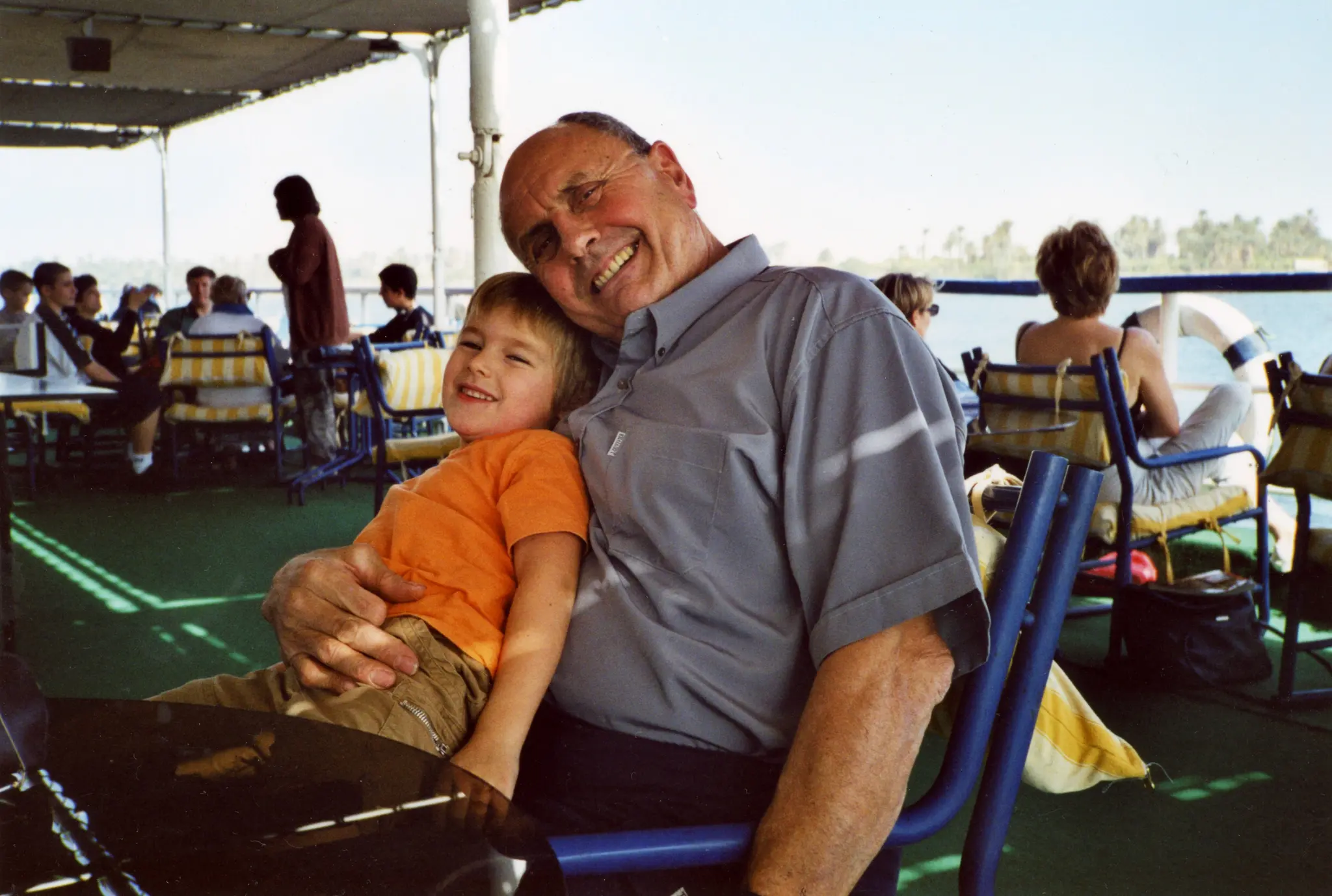
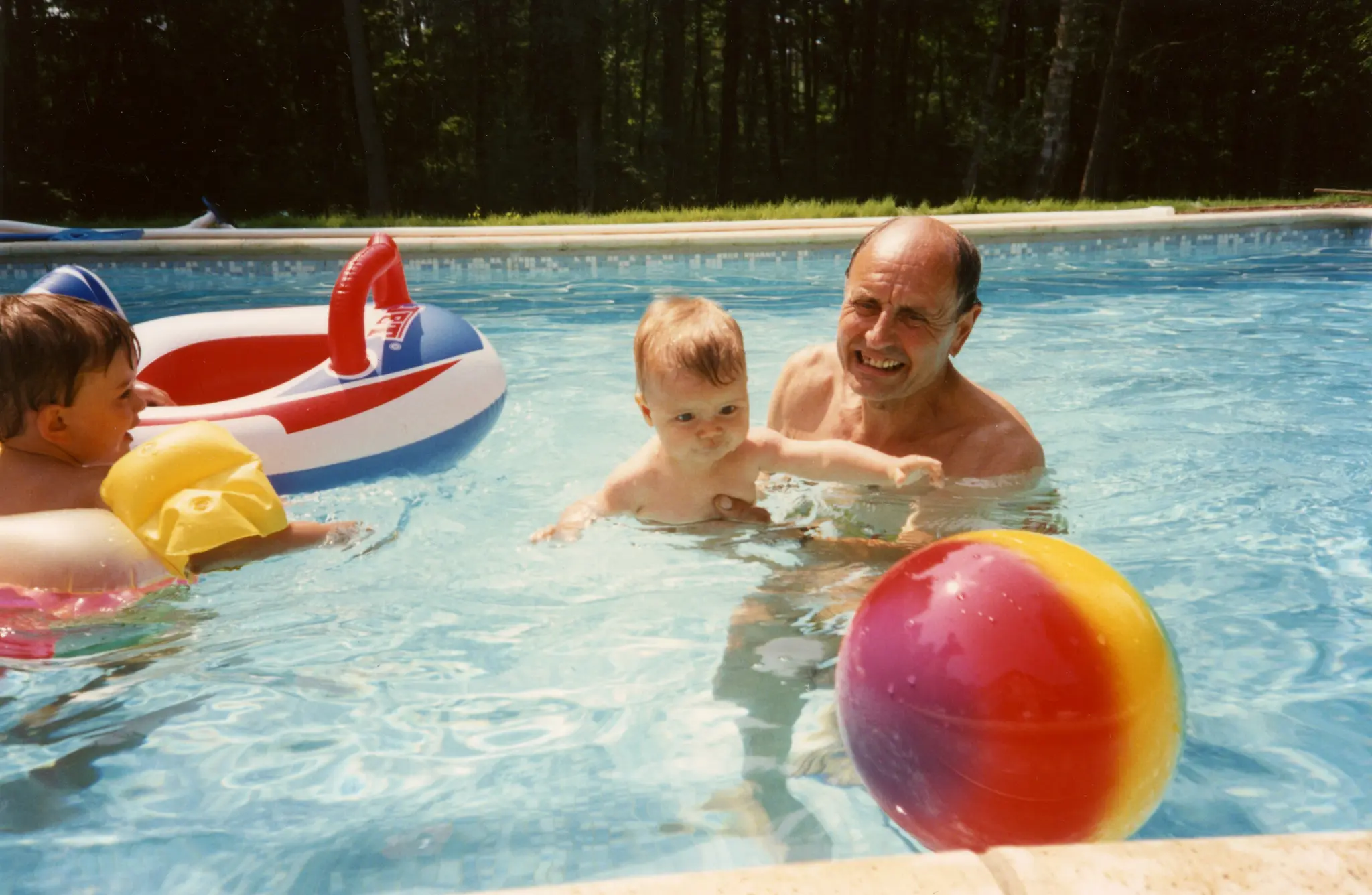
Who was Bruno?
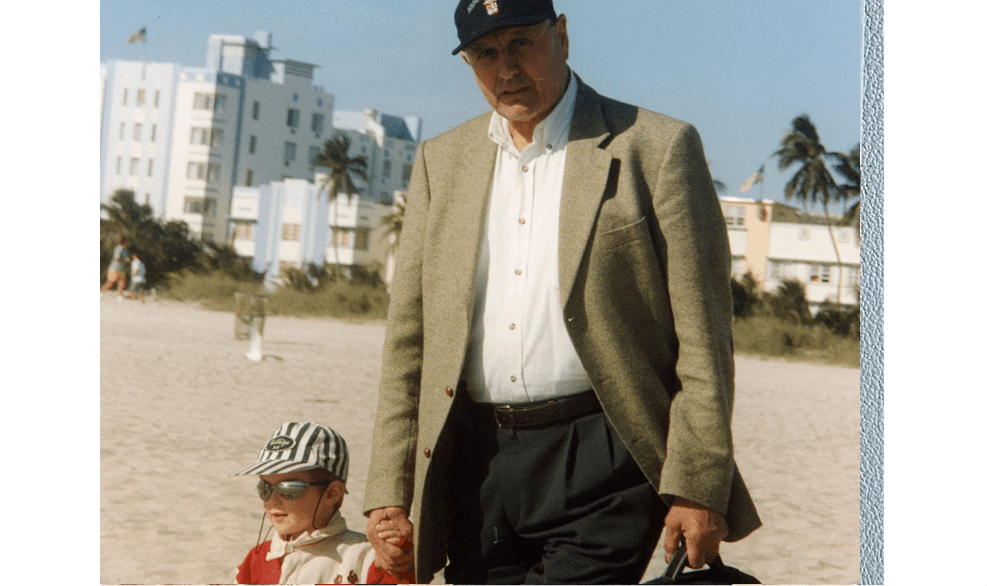
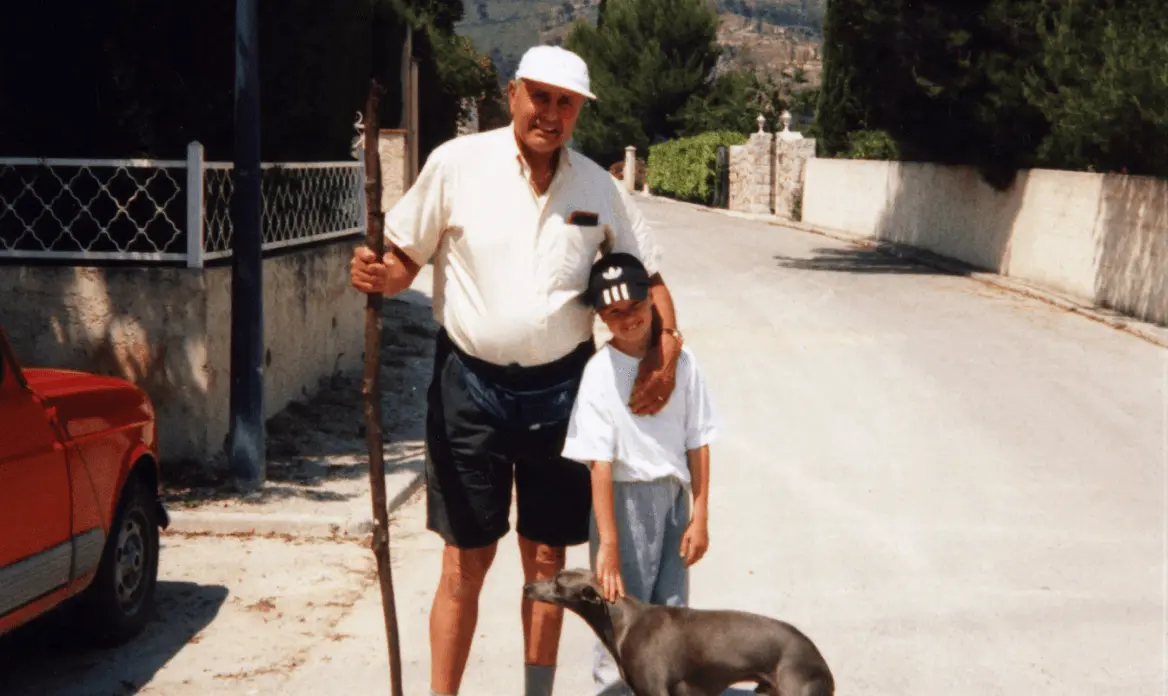
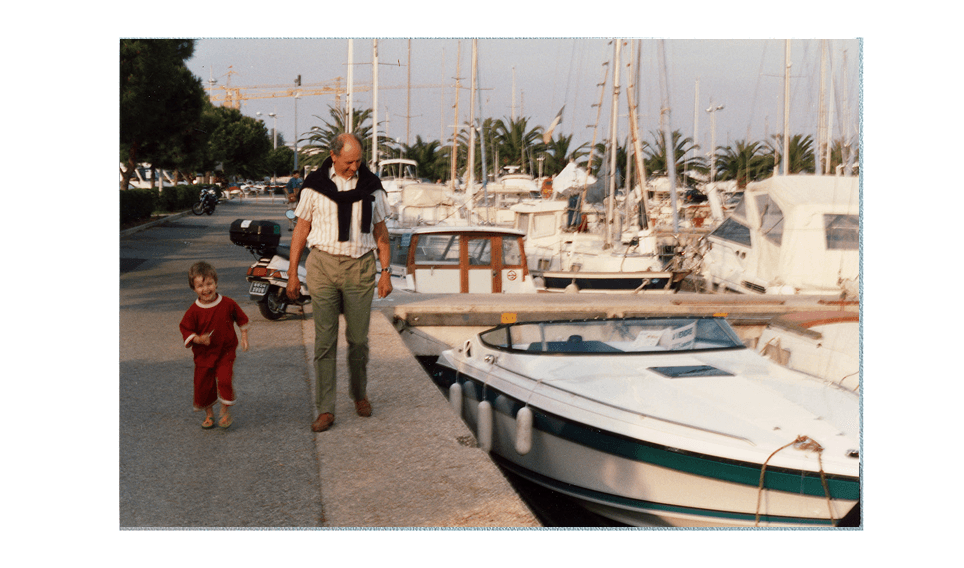
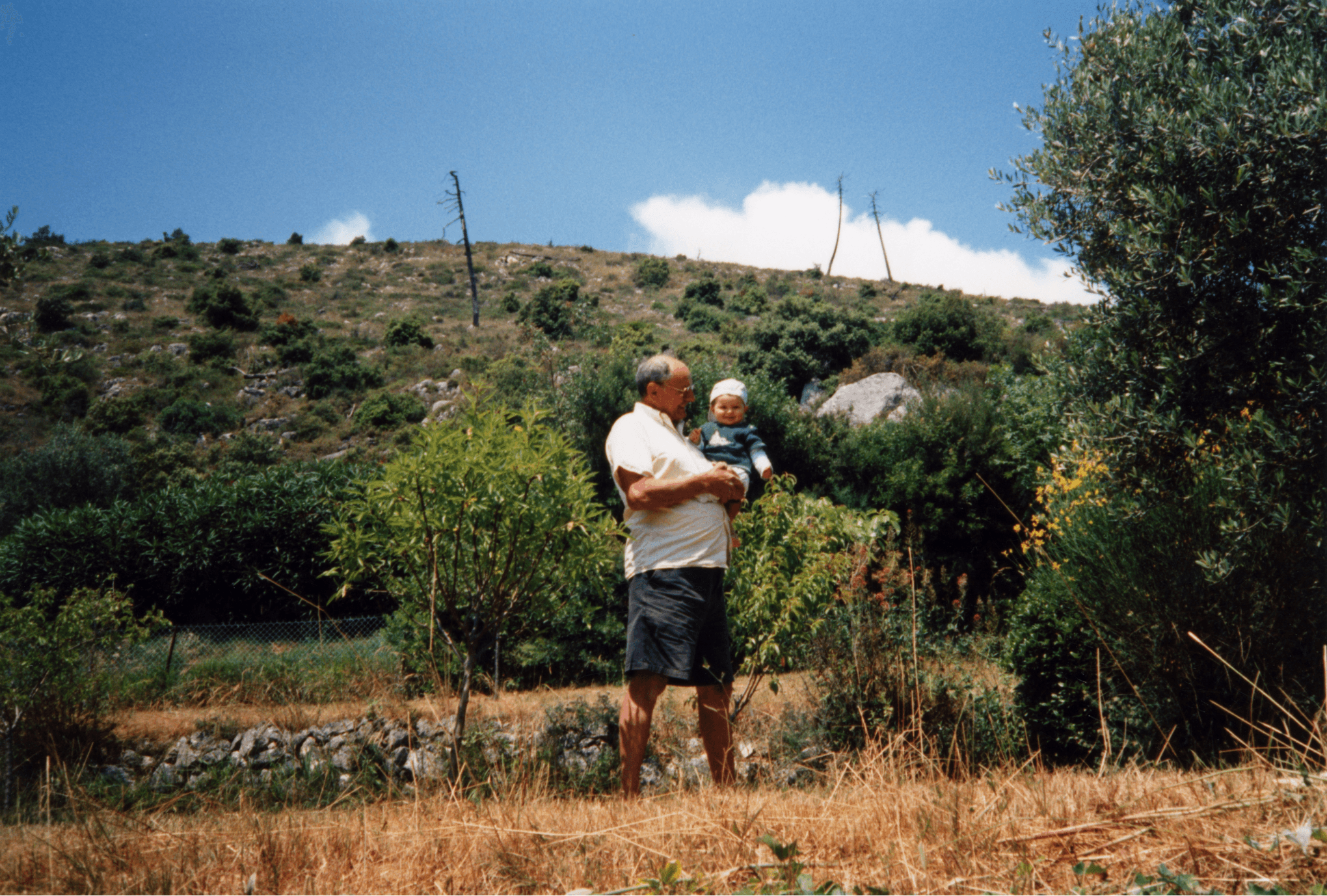
Bruno was a lovely grandfather.
Today, it’s a branding agency.

You only need to look at where you came from to understand who you are. This is a story of the Resistance, of Mussolini, and of a livestock fair.
It all begins in 1938 on the shores of Lake Como, in Domaso. The son of a pasta maker named Carlo, young Bruno grows up in a wealthy family where business thrives until the untimely death of his uncle. Early on, proving that necessity is the mother of invention, he displays an innate business sense. At just eight years old, he begins selling ropes to cattle buyers at the local markets, spotting an untapped and desperate demand. So much for the livestock fair.
You only need to look at where you came from to understand who you are. This is a story of the Resistance, of Mussolini, and of a livestock fair.
It all begins in 1938 on the shores of Lake Como, in Domaso. The son of a pasta maker named Carlo, young Bruno grows up in a wealthy family where business thrives until the untimely death of his uncle. Early on, proving that necessity is the mother of invention, he displays an innate business sense. At just eight years old, he begins selling ropes to cattle buyers at the local markets, spotting an untapped and desperate demand. So much for the livestock fair.


A year later, war changes everything. His father is mobilized and later joins the partisans. Bruno, barely fourteen, joins the fight in his own way as a courier. In the freezing shadows of the Alps, he climbs rugged trails to bring food and clothing to the resistance fighters, dodging the constant gaze of enemy patrols. It is during one of these missions that he is captured by the Blackshirts, the fascist militia, and German soldiers. To break him, his captors subject him to a mock execution. Staring down the barrels of a firing squad against a wall, the young boy faces death without betraying his own. It was an ordeal that would forever forge his character and his refusal to submit. So much for the resistance.
By April 27, 1945, the war is nearing its end. Fascism is falling, and Benito Mussolini is on the run. Carlo, now a carabinier and local partisan leader, intercepts a fleeing German convoy. Among the fascists in retreat, only one man matters to him. Under pressure, a deserter eventually breaks, whispering that the dictator is hiding in the fifth truck.
A year later, war changes everything. His father is mobilized and later joins the partisans. Bruno, barely fourteen, joins the fight in his own way as a courier. In the freezing shadows of the Alps, he climbs rugged trails to bring food and clothing to the resistance fighters, dodging the constant gaze of enemy patrols. It is during one of these missions that he is captured by the Blackshirts, the fascist militia, and German soldiers. To break him, his captors subject him to a mock execution. Staring down the barrels of a firing squad against a wall, the young boy faces death without betraying his own. It was an ordeal that would forever forge his character and his refusal to submit. So much for the resistance.
By April 27, 1945, the war is nearing its end. Fascism is falling, and Benito Mussolini is on the run. Carlo, now a carabinier and local partisan leader, intercepts a fleeing German convoy. Among the fascists in retreat, only one man matters to him. Under pressure, a deserter eventually breaks, whispering that the dictator is hiding in the fifth truck.
A massive crowd gathers around the convoy; there is a tension in the air that only exists during history’s greatest turning points. As he prepares to search the vehicle, Carlo hands his old submachine gun to Bruno, who is at his side. Bruno watches his father climb the footboard and push past the Wehrmacht soldiers. At the back of the truck, huddled in the shadows under a pile of blankets, a man is curled into a ball. "He’s just a drunk," the guards mutter. But Carlo grabs the man by the shoulder and pulls the shadow into the light: it is the Duce. It is Mussolini. After the arrest, Carlo interrogates the dictator, who offers him his watch and his helmet. The watch is later stolen; the helmet, the carabinier keeps.
A year later, Carlo attends the inauguration of a casino on the banks of Lake Como. As the party reaches its peak, Carlo steps outside for a cigarette by the water. Gunshots ring out. Guests pour out in a panic to find Carlo on the ground, bleeding. He has just been assassinated by Mussolini loyalists passing by in a boat. So much for Mussolini.
A massive crowd gathers around the convoy; there is a tension in the air that only exists during history’s greatest turning points. As he prepares to search the vehicle, Carlo hands his old submachine gun to Bruno, who is at his side. Bruno watches his father climb the footboard and push past the Wehrmacht soldiers. At the back of the truck, huddled in the shadows under a pile of blankets, a man is curled into a ball. "He’s just a drunk," the guards mutter. But Carlo grabs the man by the shoulder and pulls the shadow into the light: it is the Duce. It is Mussolini. After the arrest, Carlo interrogates the dictator, who offers him his watch and his helmet. The watch is later stolen; the helmet, the carabinier keeps.
A year later, Carlo attends the inauguration of a casino on the banks of Lake Como. As the party reaches its peak, Carlo steps outside for a cigarette by the water. Gunshots ring out. Guests pour out in a panic to find Carlo on the ground, bleeding. He has just been assassinated by Mussolini loyalists passing by in a boat. So much for Mussolini.

In the aftermath of the war, Bruno does whatever it takes to make a living, from smuggling to petty heists. Eventually, safer and more legal opportunities arise: he sells fashion to British tourists and imports stockings and patented Italian hosiery into France. Refusing to stay in Italy for his military service, he flees to France without papers, crossing the Alps on foot until he reaches Rouen. Taken in by the family of Pastor Herubel, he finds a home and meets Nicole, the woman who would become the mother of his children.
Starting as a laborer and then a truck driver, he eventually strikes out on his own, driven by a fierce desire for independence. Today, this lineage of builders and entrepreneurs continues to flourish between Italy and France. From the capture of the Duce to the construction sites of Rouen, the Ortelli story is one of strength and resilience passed down through generations. Years later, his grandsons would name their agency in his honor.
Like Bruno, we continue to dream bigger, without ever forgetting our values, or where we came from.
In the aftermath of the war, Bruno does whatever it takes to make a living, from smuggling to petty heists. Eventually, safer and more legal opportunities arise: he sells fashion to British tourists and imports stockings and patented Italian hosiery into France. Refusing to stay in Italy for his military service, he flees to France without papers, crossing the Alps on foot until he reaches Rouen. Taken in by the family of Pastor Herubel, he finds a home and meets Nicole, the woman who would become the mother of his children.
Starting as a laborer and then a truck driver, he eventually strikes out on his own, driven by a fierce desire for independence. Today, this lineage of builders and entrepreneurs continues to flourish between Italy and France. From the capture of the Duce to the construction sites of Rouen, the Ortelli story is one of strength and resilience passed down through generations. Years later, his grandsons would name their agency in his honor.
Like Bruno, we continue to dream bigger, without ever forgetting our values, or where we came from.